
 Early Signs of Diabetic Foot Problems
Recognizing symptoms early helps prevent major complications. Watch for:
Tingling or burning sensation
Loss of feeling
Swelling in feet
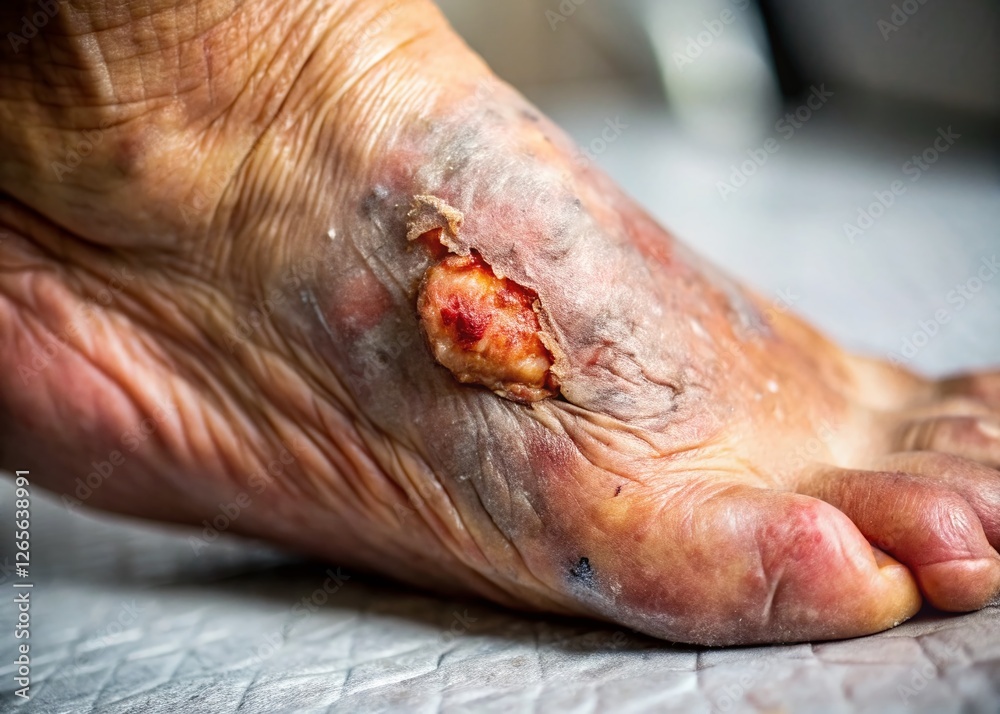
Dark patches on skin
Cracked heels
Foul smell from foot wounds
Cuts or blisters that don’t heal
Thickened toenails
If any of these symptoms appear, medical attention is necessary.
Daily Diabetic Foot Care Routine
A simple daily routine can prevent 80% of diabetic foot complications.
1. Inspect Your Feet Daily
Look for:
Cuts
Cracks
Redness
Blisters
Swelling
Use a mirror for the bottom of your feet or ask a caregiver.
2. Wash Feet With Lukewarm Water
Do not use hot water—patients with neuropathy cannot feel high temperatures and may burn themselves.
Steps:
Wash with mild soap
Pat dry especially between toes
Avoid soaking feet too long
3. Keep Feet Moisturized
Use a non-greasy moisturizer on heels and soles.
Avoid applying between toes to prevent fungal infection.
4. Trim Nails Carefully
Cut nails straight across. Do not cut corners too deep.
If nails are thick, discolored, or painful—consult a podiatrist.
5. Wear Proper Footwear
Choose:
Closed-toe shoes
Soft insoles
Extra-wide footwear
Seamless socks
Avoid:
High heels
Tight shoes
Walking barefoot
Special diabetic shoes help reduce pressure and prevent ulcers.
6. Improve Blood Circulation
Several habits help improve leg and foot blood flow:
Walk daily
Perform leg exercises
Avoid smoking
Do not sit with crossed legs
Keep feet elevated
Good circulation supports faster healing.
How to Prevent Diabetic Foot Ulcers
Foot ulcers are common among diabetes patients but completely preventable.
1. Manage Blood Sugar Levels
Stable blood sugar prevents nerve damage and improves healing.
2. Avoid Walking Barefoot
Even at home, small stones, pins, or cracked flooring can injure the feet.
3. Use Silicone Heel Pads or Pressure-Relief Insoles
These distribute pressure evenly and prevent cracks and ulcer formation.
4. Treat Minor Wounds Immediately
Clean with saline water
Apply antiseptic
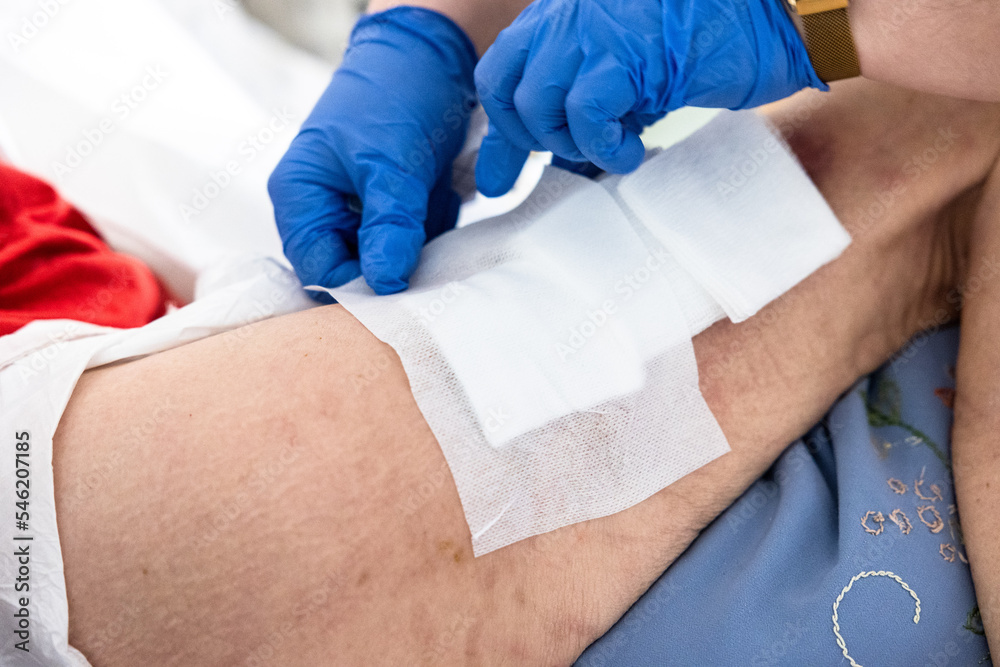
Cover with sterile dressing
If the wound does not heal within 48 hours, seek medical care.
Treatment Options for Diabetic Foot Ulcers
If an ulcer forms, timely treatment prevents infection or amputation.
1. Cleaning & Debridement
Doctors remove dead or infected tissue to promote healthy healing.
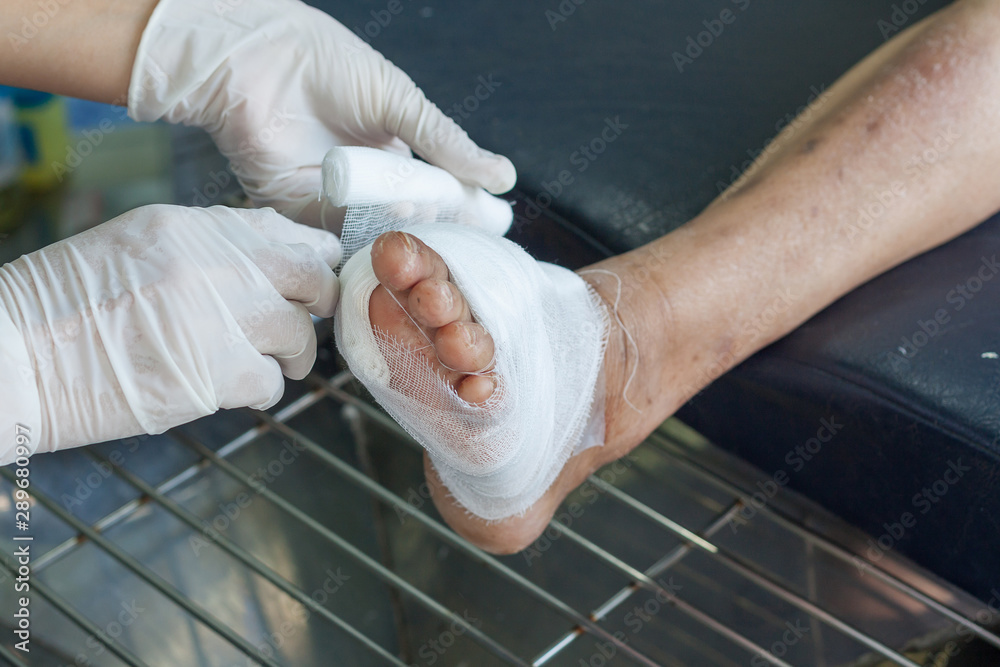
2. Specialized Dressings
Hydrogel
Foam dressings
Alginate dressings
These protect ulcers and speed healing.
3. Antibiotics for Infection
If an infection is present, oral or IV antibiotics may be prescribed.
4. Offloading
Reducing pressure on the ulcer helps it heal faster.
Methods:
Offloading shoes
Foot braces
Cast boots
5. Advanced Treatments
Negative Pressure Wound Therapy
Skin grafting
Hyperbaric Oxygen Therapy