alexpasala.in

Rehabilitation Center

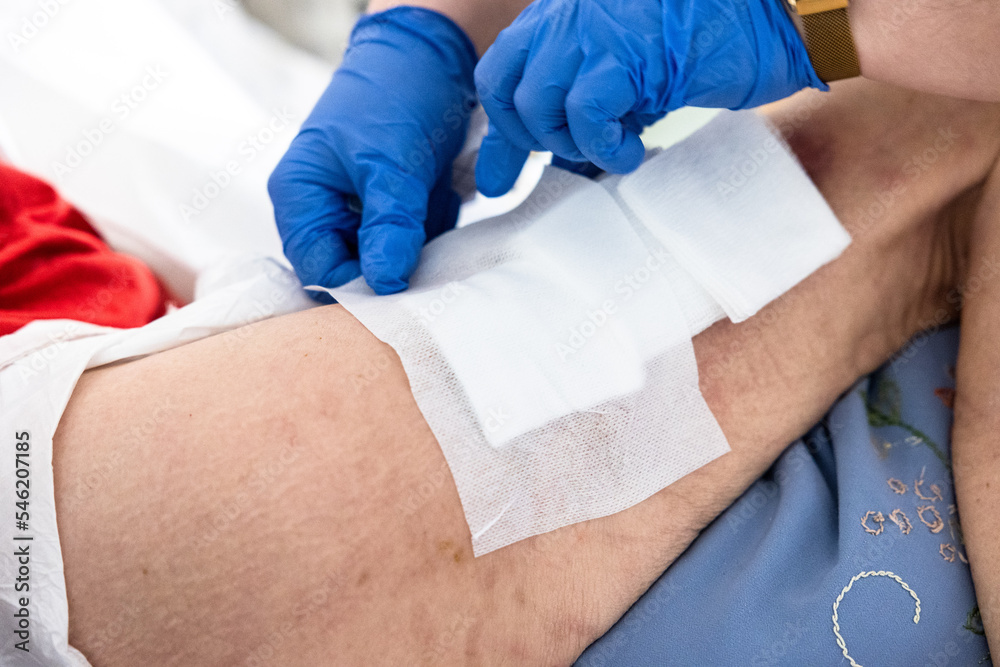
VAC therapy procedure for advanced wound healing

Vac Therapy Centers in Hyderabad

VAC Therapy Centers in Hyderabad – Complete Guide to Advanced Wound Healing Vacuum-Assisted Closure (VAC) Therapy, also known as Negative Pressure Wound Therapy (NPWT), has become one of the most effective treatments for chronic wounds, diabetic foot ulcers, bedsores, post-surgical wounds, and traumatic injuries. Hyderabad, being a leading hub of medical innovation, offers some of the best VAC therapy centers equipped with advanced wound-care technologies and experienced specialists. If you or your loved one is searching for VAC therapy centers in Hyderabad, this complete guide will help you understand the treatment, benefits, process, and the best hospitals and rehabilitation centers offering professional wound care services. What Is VAC Therapy? VAC Therapy is an advanced wound healing method where controlled negative pressure is applied to the wound through a sealed dressing. This helps remove excess fluids, reduces bacterial growth, increases blood flow to the wound area, and promotes faster healing. It is widely used for: Because of its effectiveness, many patients prefer VAC treatment in Hyderabad for quick recovery and better wound management. Why Choose VAC Therapy Centers in Hyderabad? Hyderabad is known for high-quality healthcare, specialized wound care doctors, and modern NPWT machines. The best VAC therapy centers in Hyderabad offer: 1. Experienced NPWT Specialists The city has wound care specialists trained in treating complex wounds using negative pressure techniques. 2. Advanced Wound Care Equipment Modern VAC machines, sealed dressings, and monitoring tools ensure safe and efficient treatment. 3. Affordable Treatment Options Compared to other metros, VAC therapy in Hyderabad is cost-effective and accessible for long-term wound care. 4. Personalized Care Plans Hospitals and rehabilitation centers create customized healing plans for: Home-Based VAC Therapy Services Many centers now offer VAC dressing change services at home in Hyderabad, making treatment more convenient for bedridden or elderly patients. Top Benefits of VAC Therapy Choosing a VAC therapy center provides several healing advantages: ✔ Faster Wound Healing The negative pressure increases blood circulation and reduces swelling. ✔ Reduces Infection By removing bacteria and fluid, NPWT lowers the risk of wound infections. ✔ Helps Chronic Non-Healing Wounds Patients with diabetic foot ulcers or bedsores respond very well to this treatment. ✔ Promotes Tissue Growth VAC therapy stimulates healthy granulation tissue, promoting faster recovery. ✔ Reduces Pain & Dressing Frequency Fewer dressing changes make the treatment comfortable and effective. Who Needs VAC Therapy? You may need VAC treatment in Hyderabad if you have: If wounds are not healing with normal dressings, visiting a wound healing therapy center for NPWT may be the right solution. VAC Therapy Process in Hyderabad Centers 1. Wound Assessment A wound care doctor evaluates the type, size, and severity. 2. Cleaning the Wound Dead tissues are removed, and the wound is disinfected. 3. Applying the VAC Dressing A foam dressing is placed into the wound and sealed with an adhesive layer. 4. Connecting the VAC Machine The tube connects the dressing to the VAC device, creating controlled suction. 5. Continuous Monitoring Nurses or wound care specialists check the wound frequently. 6. Dressing Changes Depending on the wound, dressing changes occur every 48–72 hours. Patients with severe wounds may require home-based NPWT where healthcare professionals visit regularly. Best Candidates for VAC Therapy in Hyderabad The following patient groups benefit the most: If you fall in any of these categories, choosing a VAC dressing center in Hyderabad can help speed up recovery. How to Choose the Best VAC Therapy Center in Hyderabad While searching for the right facility, consider: ✔ Expertise of Doctors Look for wound care or NPWT specialists with experience in chronic wound management. ✔ Availability of Modern NPWT Machines Advanced systems provide controlled pressure and better outcomes. ✔ Clean and Hygienic Setup Sterile environments reduce infection risk. ✔ Home Care Support Many patients prefer VAC dressing at home services. ✔ Customized Treatment Plans Centers that assess your medical conditions individually offer better recovery. Home-Based VAC Therapy in Hyderabad Many premium wound care centers offer home-based VAC therapy services that include: This option is ideal for elderly patients or those with mobility issues. Why Hyderabad Is a Leading Hub for VAC Therapy Hyderabad combines affordability, advanced medical facilities, and skilled doctors—making it a top destination for negative pressure wound therapy. With the presence of multi-specialty hospitals, wound care clinics, and home healthcare providers, patients receive world-class treatment without high costs. Conclusion VAC Therapy Centers in Hyderabad provide exceptional wound healing solutions for patients suffering from chronic, complex, or non-healing wounds. From negative pressure wound therapy specialists to advanced VAC machines and personalized home dressing services, Hyderabad offers comprehensive wound care for faster and safer recovery. Whether you need VAC therapy for diabetic foot ulcers, post-surgical wound infections, bedsores, or trauma injuries, choosing a reliable and professional VAC therapy center ensures quicker healing and better long-term outcomes.

Vac Therapy Centers in Hyderabad Read More »

“Diabetic foot care check-up by medical specialist”

Diabetic Foot Care

Proper diabetic foot care is essential to prevent infections, ulcers, and serious complications caused by diabetes. With a simple daily routine, regular monitoring, and professional guidance, patients can protect their feet and improve healing. This guide explains prevention tips, foot hygiene, treatment methods, and best practices to maintain healthy feet and avoid diabetic foot problems.

Diabetic Foot Care Read More »

“Caregiver supporting diabetic elderly patient”

Bedsore Care Management

Bedsore care management is one of the most important aspects of elderly care and long-term patient care. Bedsores, also known as pressure ulcers or decubitus ulcers, develop when continuous pressure reduces blood flow to the skin. They mostly occur in bedridden, immobile, or elderly patients, especially at the heels, hips, back, and elbows.Providing the right prevention methods and timely care can significantly improve healing and prevent complications such as infections or tissue damage. ⭐ What Are Bedsores? Bedsores occur when the skin and underlying tissues are damaged due to prolonged pressure, friction, or shear. They are most commonly seen in: Understanding the early signs helps with faster recovery. ⭐ Stages of Bedsores Understanding the stages helps caregivers choose the right treatment. 1. Stage 1 – Reddened Skin 2. Stage 2 – Blistering 3. Stage 3 – Deep Wound 4. Stage 4 – Severe Ulcer Requires medical supervision. Muscle, tendon, or bone may be visible. ⭐ Best Practices for Bedsore Prevention Prevention is the most effective form of bedsore care management. Consistent care reduces complications drastically. 1. Repositioning the Patient Change the patient’s position every 2 hours to relieve pressure on affected areas. 2. Use Pressure-Relief Devices Such as: These help distribute body weight evenly. 3. Maintain Skin Hygiene 4. Keep the Patient Hydrated Dehydration weakens the skin and slows healing. 5. Healthy Diet to Support Healing Include: ⭐ Bedsore Treatment Methods Once a bedsore develops, early treatment prevents infection and speeds recovery. 1. Cleaning the Wound 2. Dressing the Wound Choose appropriate dressings: These promote healing while protecting from bacteria. 3. Removing Dead Tissue (Debridement) Dead tissue prevents healing and must be removed by a trained nurse or doctor.Methods include: 4. Using Medications Doctors may prescribe: 5. Advanced Bedsore Treatments Once a bedsore develops, early treatment prevents infection and speeds recovery. How Caregivers Can Manage Bedsore Care Effectively Caregivers, nursing staff, and family members play a crucial role in preventing and healing bedsore wounds. 1. Regular Monitoring Check pressure points daily to identify early signs. 2. Supportive Bedding Use high-quality hospital beds and mattresses designed for elderly care. 3. Proper Hygiene Practices 4. Elevation Technique Raise the bed at 30 degrees to prevent friction and shear. 5. Maintain Emotional Support Bedsore care is physically and mentally challenging for patients.Gentle communication and reassurance improve recovery. ⭐ When to Seek Medical Help Call a doctor immediately if you observe: These indicate a high risk of infection and require professional medical treatment. ⭐ Conclusion Bedsore care management requires consistent care, awareness, and timely treatment. With proper prevention techniques, good hygiene, healthy nutrition, and regular nursing care, bedsores can be avoided or healed faster.For caregivers and families, understanding the right wound care methods can significantly improve the patient’s comfort and overall health.

Bedsore Care Management Read More »

Caregiver helping Alzheimer’s patient with daily tasks

Understanding Alzheimer’s Disease: Symptoms, Causes, Treatment & Care Options

Alzheimer’s disease is one of the most common neurodegenerative disorders affecting millions of people worldwide, especially older adults above 60 years of age. It gradually impacts memory, behavior, cognitive function, and the ability to perform everyday tasks. As life expectancy increases, Alzheimer’s disease has become a major health concern for families and healthcare professionals across the globe. This blog explains Alzheimer’s symptoms, causes, stages, diagnosis, treatment approaches, and how timely rehabilitation and caregiving support can improve the quality of life for patients. What Is Alzheimer’s Disease? Alzheimer’s disease is a progressive brain disorder that slowly destroys memory, thinking skills, and the ability to carry out simple tasks. It is the most common form of dementia, accounting for 60–80% of dementia cases. Over time, brain cells shrink and die, leading to significant memory loss, personality changes, confusion, and decline in daily functioning. Key Symptoms of Alzheimer’s Disease The symptoms usually start mildly and become severe over the years. Common signs include: 1. Memory Loss Forgetting recent conversations Misplacing everyday items Repeating the same questions Difficulty remembering names, dates, or appointments 2. Poor Judgment & Decision-Making Patients may struggle with money management, driving skills, or choosing appropriate clothing. 3. Difficulty in Communication Trouble finding the right words, following conversations, or understanding instructions. 4. Changes in Behavior & Personality Irritability Anxiety Depression Mood swings Social withdrawal 5. Disorientation Confusion about places, time, or familiar surroundings. 6. Difficulty in Daily Tasks Struggling with cooking, bathing, dressing, or household chores. Causes of Alzheimer’s Disease The exact cause is still unknown, but several factors increase the risk: 🔹 Age: Most common after age 60. 🔹 Genetics & Family History: If a parent or sibling has Alzheimer’s, the risk increases. 🔹 Brain Changes: Deposits of amyloid plaques and tau tangles damage brain cells. 🔹 Lifestyle Factors: Poor diet, smoking, stress, lack of exercise, and high blood pressure. 🔹 Medical Conditions: Diabetes, cardiovascular disease, head injuries, and obesity. Stages of Alzheimer’s Disease Alzheimer’s disease progresses in three main stages: 1. Early Stage (Mild) Minor memory loss Difficulty doing complex tasks Mood changes 2. Middle Stage (Moderate) Increased confusion Sleep disturbances Behavioral issues Needing help with daily activities 3. Late Stage (Severe) Severe memory loss Difficulty swallowing Loss of mobility Full-time care required Diagnosis of Alzheimer’s Disease Doctors use several evaluations, including: Medical history Neurological examination Memory and cognitive tests MRI or CT brain scans Blood tests Neuropsychological assessments Early diagnosis helps start treatment early and improves long-term care planning. Treatment Options for Alzheimer’s Disease There is no permanent cure yet, but early treatment can slow the progression. 1. Medications Cholinesterase inhibitors Memantine Antidepressants Anti-anxiety medications 2. Rehabilitation Therapies Cognitive rehabilitation Physiotherapy Occupational therapy Speech therapy These therapies help maintain mobility, memory, and independence. 3. Lifestyle Modifications Healthy diet Regular exercise Mental stimulation Good sleep Social interaction 4. Caregiver Support Patients require emotional support, structured routines, and a safe environment. Alzheimer’s Care & Rehabilitation Centers Professional Alzheimer’s care centers provide: 24/7 nursing support Memory enhancement activities Daily living assistance Behavioral management Physiotherapy and occupational therapy Safe and supervised environment These centers help improve patient comfort and reduce caregiver stress. Prevention Tips for Alzheimer’s Disease While it cannot be fully prevented, you can reduce the risk by: Maintaining a healthy heart Eating a brain-boosting diet Staying physically active Avoiding smoking and alcohol Learning new skills Managing stress Staying socially connected Alzheimer’s disease is a challenging condition affecting patients and families both emotionally and physically. Early detection, timely treatment, and proper caregiving can significantly improve the patient’s quality of life. With the right support system, individuals with Alzheimer’s can live safely, comfortably, and meaningfully.

Understanding Alzheimer’s Disease: Symptoms, Causes, Treatment & Care Options Read More »

Elderly man receiving compassionate palliative care from a nurse in Hyderabad

🌿 Palliative Care Centers in Hyderabad: A Complete Guide for Families

Palliative care is one of the most compassionate and meaningful services offered to individuals facing life-limiting illnesses. In Hyderabad, palliative care centers are becoming increasingly advanced, offering medical support, emotional comfort, pain management, and family counseling to improve the quality of life for patients who need long-term comfort-oriented care. Whether someone is dealing with terminal illness, chronic pain, advanced cancer, dementia, stroke, or age-related decline, palliative care centers in Hyderabad provide an essential layer of support that goes beyond traditional medical treatment. In this blog, we will explore what palliative care means, how it helps patients and families, the types of services available, and how to choose the best palliative care center in Hyderabad. 🩺 What Is Palliative Care? Palliative care focuses on improving comfort, controlling symptoms, managing pain, and supporting emotional and spiritual wellbeing. It is not limited to end-of-life care—it can begin at any stage of a serious illness. Key features of palliative care include: With growing demand, Hyderabad now hosts several professional palliative care centers designed to provide comprehensive comfort care in a peaceful, supportive environment. 🌼 Why Palliative Care Centers in Hyderabad Are in High Demand Hyderabad is quickly becoming a leading destination for advanced palliative care services because of its medical infrastructure, experienced healthcare professionals, and compassionate care culture. Many reputed hospitals, old-age homes, and rehabilitation centers now include dedicated palliative care units. Palliative care centers in Hyderabad, end-of-life care, pain management services, hospice care, home palliative care, cancer palliative care. Families choose palliative care because: Hyderabad’s centers blend medical precision with emotional support, ensuring patients experience comfort, respect, and dignity. 🏥 Types of Palliative Care Services Available in Hyderabad Hyderabad provides a wide range of palliative care options, based on the patient’s condition and family needs. 1. In-Patient Palliative Care Centers These are dedicated palliative care facilities with 24/7 doctors, nurses, physiotherapists, and counselors. They provide round-the-clock monitoring and comfort. 2. Home-Based Palliative Care Services A trained nurse or palliative specialist visits the patient’s home to provide medication, pain management, and emotional support. 3. Hospice Care for Terminal Illness Hospice centers offer peaceful, end-of-life care with spiritual and emotional support for both patients and families. 4. Cancer Palliative Care Units These centers focus on controlling pain, nausea, fatigue, and anxiety for cancer patients undergoing or completing treatment. 5. Geriatric Palliative Care for Seniors Seniors with chronic illness, dementia, paralysis, or age-related decline benefit greatly from long-term palliative support. Each center tailors treatment based on medical needs and patient comfort. 💙 Benefits of Choosing a Palliative Care Center in Hyderabad Palliative care is not about extending life at any cost—it’s about improving the quality of life. Some key benefits include: ✔ Effective Pain & Symptom Control Professionals use advanced pain management techniques for relief from chronic pain, breathing problems, nausea, spasms, and discomfort. ✔ Emotional & Psychological Support Patients receive compassionate companionship, reducing anxiety, depression, and fear. ✔ Family Counseling Caregivers receive support, guidance, and training, helping reduce emotional burnout. ✔ Peaceful & Dignified Environment Palliative care centers in Hyderabad focus on comfort, respect, and spiritual wellbeing. ✔ Better Quality of Life Even during terminal or chronic illness, patients can experience comfort, emotional peace, and meaningful relationships. 🧭 How to Choose the Best Palliative Care Center in Hyderabad ✔ 1. Medical Expertise Look for experienced doctors, nurses, and pain specialists. ✔ 2. 24/7 Monitoring Round-the-clock nursing care ensures patient safety and comfort. ✔ 3. Clean & Peaceful Environment Palliative care requires a calm, quiet, hygienic atmosphere. ✔ 4. Pain Management Facilities Centers should have specialists skilled in advanced pain reduction methods. ✔ 5. Emotional & Spiritual Care Holistic support is essential for patient wellbeing. ✔ 6. Family Support and Communication Daily updates, counseling, and involvement help families cope better. ✔ 7. Customizable Care Plans Each patient’s needs should be individually assessed. 🌺 Conclusion Palliative care centers in Hyderabad play an essential role in supporting individuals with advanced or life-limiting conditions. These centers focus on compassion, comfort, and dignity—helping patients live their final days or years with peace and emotional security. Families benefit from guidance, counseling, and relief from caregiving stress. Whether you choose a dedicated palliative care center or home-based services in Hyderabad, the goal remains the same:to provide comfort, reduce suffering, and preserve dignity at every stage.

🌿 Palliative Care Centers in Hyderabad: A Complete Guide for Families Read More »

Caring for the bed-ridden elderly in Hyderabad — a practical guide for families

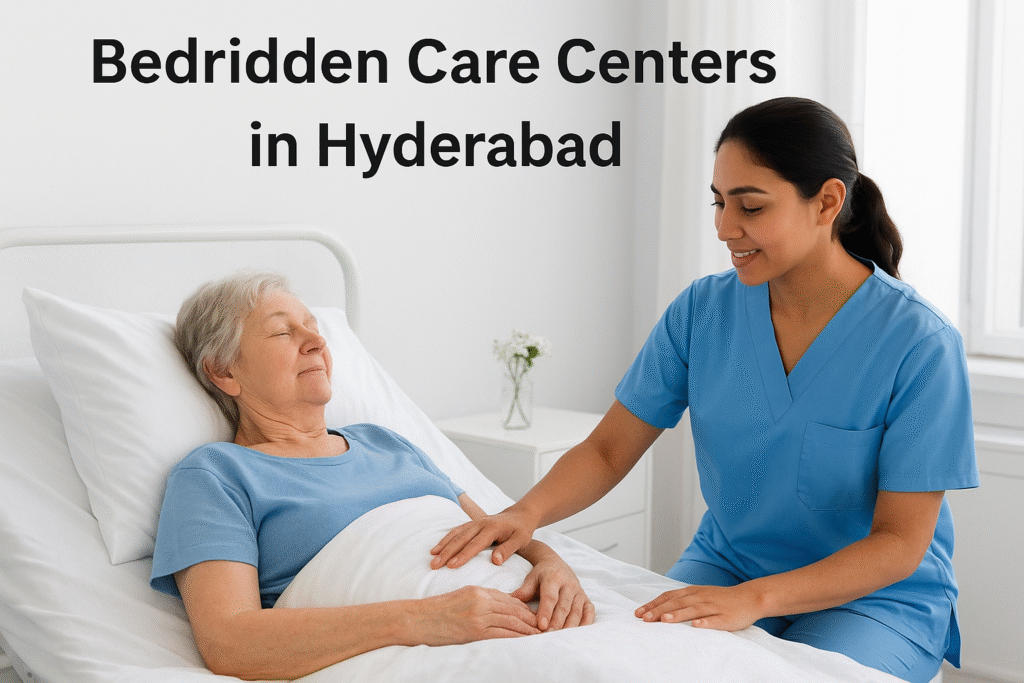
When a loved one becomes bedridden, families face difficult choices: home nursing, long-term rehabilitation centers, hospice and palliative care, or a blended plan that uses local rehab + home visits. Hyderabad today offers a range of options — from full-service geriatric rehabilitation centers and assisted-living wings to specialized home nursing teams — so you can build a care plan that fits both medical needs and family circumstances. What “bedridden care” really means Bedridden care goes beyond simply helping someone lie in bed. It’s a coordinated package of: Good bedridden care blends nursing, physiotherapy, nutrition and regular doctor oversight — whether delivered at a rehab center or at home. Why Hyderabad is a practical choice for local families Hyderabad hosts a growing number of elder-care providers and home-nursing agencies across neighborhoods (Ameerpet, Banjara Hills, Kukatpally, Jubilee Hills, Madhapur, LB Nagar and more), making it easier to find skilled teams close to home or to transfer between hospital → rehab → home. Local directories and service platforms list both dedicated centers and home-care providers so families can compare services, pricing and proximity. At the same time, telemedicine and district health initiatives are improving remote access to doctors and specialist follow-ups — a helpful safety net for families managing chronic conditions without frequent hospital travel. Choosing between a rehab/old-age home and home nursing Ask these core questions: What to inspect when you visit a center (quick checklist) Home-care essentials if you prefer in-home bedridden care Cost and timeframe (what families typically see in Hyderabad) Costs vary widely: short-term post-op rehab or daily home nursing packages are priced differently from long-stay assisted living. Use local listings and call multiple providers to compare actual quotes and what they include (meals, linens, doctor visits, lab tests). Popular local providers and rehab centers often publish service outlines online — it’s worth getting written service agreements before transfer. A basic 30-day care plan example (sample) Week 1 (stabilization): daily nursing for vitals, wound care, pressure management.Weeks 2–3 (rehab focus): daily physiotherapy sessions, nutrition optimization, family training on transfers.Week 4 (transition): trial days at home with home-nurse visits and telemedicine check-ins; plan long-term schedule (visits / respite care).This staged approach is common and reduces readmissions, especially when combined with tele-follow-up. The Times of India Safety & legal considerations Quick FAQ Q: How often should a bedridden person be repositioned?A: At least every 2 hours for high-risk patients; every 3–4 hours for lower risk — individualize based on skin condition. Q: Can physiotherapy help even if someone cannot sit?A: Yes — passive ROM, chest physiotherapy and joint mobilization reduce complications. Q: Where to find vetted providers in Hyderabad?A: Local directories and service marketplaces list many options; also ask referrals from the hospital discharge planner. Justdial+1 Conclusion Caring for a bedridden loved one is never easy, but choosing the right support system can make all the difference. Hyderabad offers a wide range of professional bedridden care centers, rehabilitation facilities, and skilled home-nursing services designed to ensure comfort, safety, and dignity for seniors who require long-term support. Whether families prefer in-center care or home-based nursing, the focus should always remain on compassionate caregiving, medical supervision, physiotherapy, and emotional wellbeing. By understanding the essential components of bedridden care and selecting a trusted rehabilitation center or home-care provider in Hyderabad, families can create a stable, nurturing environment that promotes better recovery and quality of life. Investing in the right care today helps ensure peace of mind, comfort, and dignity for your loved ones tomorrow.

Caring for the bed-ridden elderly in Hyderabad — a practical guide for families Read More »

Rehabilitation center in Hyderabad providing physiotherapy and neuro recovery services

What Types of Rehabilitation Centers Are Available in Hyderabad?

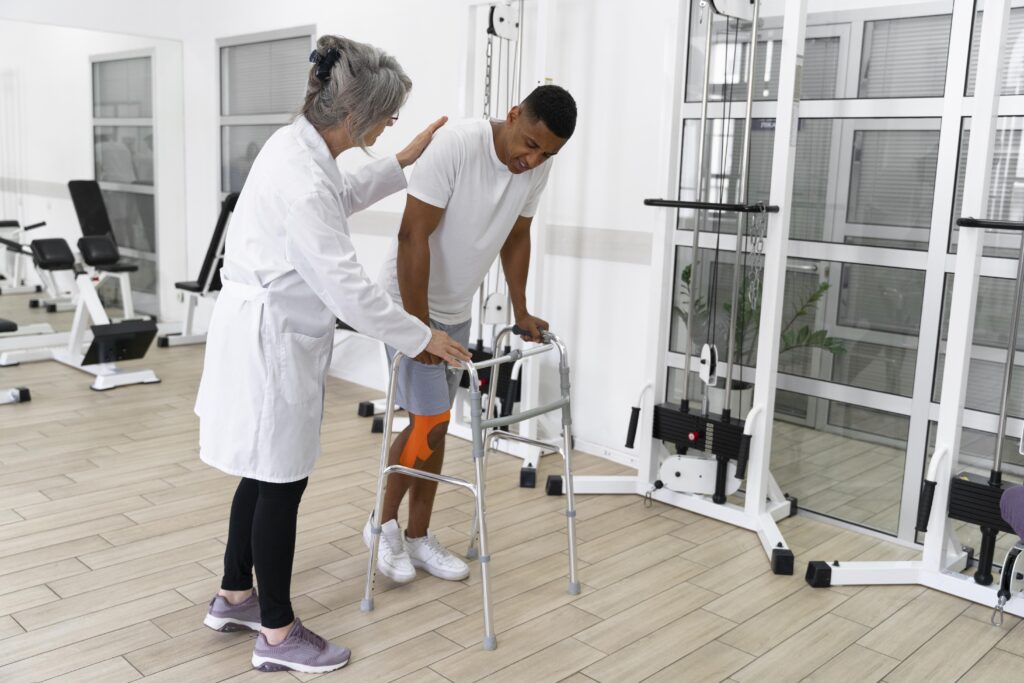
Hyderabad is a major healthcare hub in South India and offers a wide spectrum of rehabilitation centers to meet different recovery needs. Whether you are searching for a rehabilitation center in Hyderabad, a drug de-addiction centre Hyderabad, or specialized stroke rehabilitation Hyderabad, the city now hosts facilities that serve medical, neurological, orthopedic, and psychosocial rehabilitation — from inpatient residential programs to outpatient clinics and home-based rehabilitation services. Below is a practical guide to the main types of rehab centers you’ll find in Hyderabad, what they do, who they serve, and why each type matters for recovery and long-term success. 1. De-addiction and substance abuse rehabilitation centres (Drug rehab Hyderabad) De-addiction centres focus on medical detoxification, counselling, behavioral therapies, and relapse-prevention plans for people addicted to alcohol, opioids, cannabis, prescription medicines, or polysubstance use. Many reputable centres in Hyderabad combine psychiatric care, group therapy, family counselling, and structured inpatient programs that range from short (30 days) to long (90+ days) depending on clinical needs. Look for centres with qualified psychiatrists, addiction counsellors, and a clear aftercare plan — these features improve recovery outcomes and reduce relapse risk. apokosrehab.com Why choose this: When addiction leads to health, social, or occupational breakdown, a dedicated de-addiction centre provides medical safety, peer support, and evidence-based therapies (CBT, motivational interviewing) tailored to addiction recovery. Physical Rehabilitation Centers (Physiotherapy & Ortho Rehab) Physical rehabilitation centers in Hyderabad specialize in helping individuals recover from injuries, orthopedic surgeries, fractures, ligament tears, joint replacements, and chronic pain issues. These centers use advanced physiotherapy techniques such as: These centers are essential for people dealing with sports injuries, arthritis, back pain, spinal disorders, and post-trauma recovery. Many facilities use modern equipment like traction units, electrotherapy machines, and guided exercise systems to speed up the recovery process. 2. Neurolhttps://alexpasala.in/physio-rehab/ogical Rehabilitation Centers Neurological rehab centers focus on patients suffering from conditions that affect the brain, spinal cord, and nerves. These centers play a crucial role in restoring movement, cognition, and independence. Common neurological conditions treated include: Neurological rehabilitation in Hyderabad uses therapies such as neuro-physiotherapy, cognitive retraining, occupational therapy, robotic rehab systems, speech therapy, and long-term functional restoration programs. These facilities are highly recommended for individuals looking for structured recovery and continuous monitoring from specialists. Cardiac & Pulmonary Rehttps://alexpasala.in/physio-rehab/habilitation Centers Cardiac and pulmonary rehab centers help individuals recover after major heart or lung conditions. These centers are ideal for patients who have undergone: Their approach includes: Pediatric Rehabilitation Centers Pediatric rehab centers provide services for children with developmental delays, congenital disorders, neurological conditions, and learning difficulties. These centers offer: This type of rehabilitation helps children build motor skills, communication abilities, and social interaction for better development. Geriatric & Elderly Rehabilitation Centers Elderly patients often require specialized rehab due to age-related issues such as: Geriatric rehab centers in Hyderabad focus on improving independence, managing chronic pain, and enhancing daily living activities through customized rehab programs. Occupational Therapy Centers These centers help individuals learn or relearn essential daily activities such as dressing, grooming, cooking, writing, and using assistive devices. Occupational therapists provide customized plans for patients with neurological conditions, injuries, or developmental challenges. Speech & Language Rehabilitation Centers These centers treat individuals with speech delays, swallowing disorders, stuttering, communication issues, and voice complications. Speech therapy is vital for stroke patients, children, and those recovering from neurological conditions. Conclusion Hyderabad offers a wide range of specialized rehabilitation centers, each providing tailored treatments to support full recovery. Whether it is physical rehab, neuro rehab, cardiac rehabilitation, or de-addiction programs, the city is equipped with skilled professionals, modern facilities, and comprehensive healing environments. Choosing the right rehab center depends on the patient’s medical condition, required therapies, and long-term recovery goals.

What Types of Rehabilitation Centers Are Available in Hyderabad? Read More »

Occupational therapist helping patient improve hand coordination during therapy session

What is an Occupational Therapy?

🩺 Who Is an Occupational Therapist? | Occupational Therapy in L.B. Nagar, Hyderabad Introduction Recovery is not just about physical healing—it’s about regaining independence and confidence. That’s where occupational therapists (OTs) come in. They help individuals, especially seniors and patients recovering from illness or injury, rebuild the skills needed for daily life. Who Is an Occupational Therapist? An occupational therapist is a healthcare professional trained to assist people with physical, mental, or emotional challenges to perform everyday activities independently.They work in rehabilitation centers, hospitals, clinics, and old age homes, supporting patients who have suffered from stroke, arthritis, injury, or age-related limitations. Role of Occupational Therapists in Rehabilitation Centers Occupational therapists focus on: Importance in Elderly Care In elderly rehabilitation care, occupational therapists focus on maintaining independence and preventing complications related to aging.They assist seniors with: This approach helps seniors lead an active and confident life, even after illness or injury. Benefits of Occupational Therapy Occupational therapy offers several benefits for both young and elderly patients: Why Choose Our Rehabilitation Center in LB Nagar, Hyderabad Our Physio and Rehabilitation Center in LB Nagar combines advanced medical expertise with compassionate care.We provide: Whether recovering from a stroke, orthopedic surgery, or age-related mobility issue, our team is dedicated to helping patients live more independently. Conclusion An occupational therapist does more than treat — they empower.At our rehabilitation center in LB Nagar, Hyderabad, we believe in restoring the strength, confidence, and self-reliance of every patient.Through personalized therapy and continuous support, we help individuals regain control of their daily lives and move toward complete recovery.

What is an Occupational Therapy? Read More »

call