
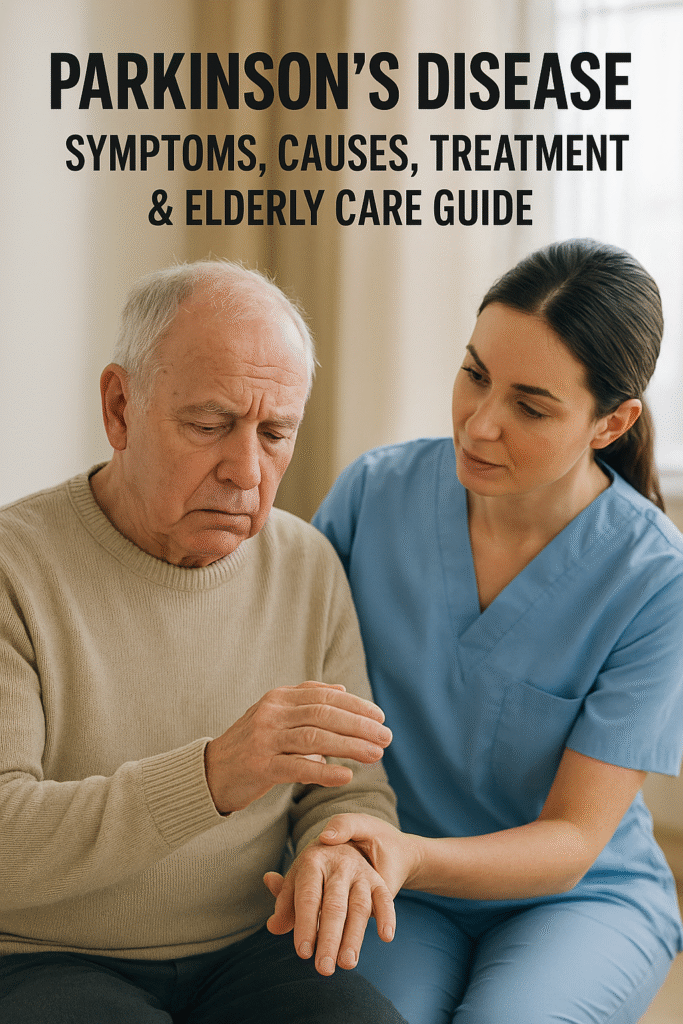
Parkinson’s Disease: Symptoms, Causes, Treatment & Elderly Care Guide
Parkinson’s disease (PD) is a progressive neurological disorder that primarily affects movement. It occurs when nerve cells in a part of the brain called the substantia nigra stop producing enough dopamine — a neurotransmitter responsible for smooth and coordinated muscle activity. Parkinson’s most commonly affects older adults, making it an important condition to understand in the context of elder care and old-age homes in Hyderabad.
This blog explains Parkinson’s disease in simple terms, discusses symptoms, causes, treatment options, and highlights how high-quality elder care facilities can support people living with this condition.
What Is Parkinson’s Disease?
Parkinson’s disease is a chronic, long-term disorder of the central nervous system. It usually progresses slowly and affects mobility, balance, coordination, and mood. While most cases appear after age 60, Parkinson’s can also occur earlier due to genetic, environmental, or unknown causes.
Because of the progressive nature of the condition, seniors often require supervised care, physiotherapy, medication management, and emotional support — making old-age homes with specialized neuro-rehabilitation services extremely beneficial.

Key Symptoms of Parkinson’s Disease
Symptoms of Parkinson’s differ from person to person, but the most common include:
1. Tremors
Uncontrollable shaking, especially in the hands, fingers, or jaw. This is often the first noticeable sign.
2. Bradykinesia (Slowness of Movement)
Everyday activities such as walking, eating, or dressing become slower and more difficult.
3. Muscle Rigidity
Muscles become stiff, making movement painful and reducing flexibility.
4. Postural Instability
Loss of balance increases the risk of falls — a major concern for older adults.
5. Non-Motor Symptoms
Non-motor symptoms often impact quality of life more than physical symptoms. These include:
- Sleep disturbances
- Constipation
- Depression and anxiety
- Memory issues
- Low blood pressure
- Difficulty swallowing
- Speech changes
Identifying non-motor symptoms early helps caregivers provide better, more holistic care.
What Causes Parkinson’s Disease?
The exact cause of Parkinson’s is still not fully understood, but studies suggest several contributing factors:
1. Loss of Dopamine-Producing Cells
When nerve cells in the brain degenerate, dopamine levels drop, causing movement-related symptoms.
2. Genetics
Certain gene mutations may increase risk, though hereditary Parkinson’s is relatively rare.
3. Environmental Factors
Exposure to toxins, pesticides, heavy metals, or polluted environments may contribute.
4. Ageing
Age remains the biggest risk factor. As people age, the brain’s ability to produce dopamine naturally declines.
How Parkinson’s Disease Is Diagnosed
There is no single test for Parkinson’s. Doctors typically diagnose it through:
- Neurological examination
- Evaluation of symptoms
- Medical history
- MRI or CT scan to rule out other conditions
- Response to Parkinson’s medication
Early diagnosis helps in better management and slower progression.
Treatment Options for Parkinson’s Disease
While there is no cure, several treatments help manage symptoms and improve quality of life.
1. Medications
Levodopa and dopamine agonists are the most common medications. They help restore the brain’s dopamine levels and improve movement.
2. Physiotherapy and Occupational Therapy
Therapies help maintain balance, flexibility, and mobility. Exercises strengthen muscles and reduce stiffness.
3. Speech Therapy
Parkinson’s may reduce voice volume and clarity. Speech therapy helps seniors communicate better.
4. Lifestyle Modifications
Regular exercise, balanced nutrition, and structured daily routines help seniors stay active.
5. Deep Brain Stimulation (DBS)
In advanced cases, electrical impulses are delivered to specific brain areas to reduce severe symptoms.
Parkinson’s Care in Old-Age Homes: Why It Matters
For seniors in Hyderabad, specialized old-age homes play a crucial role in managing Parkinson’s disease. These facilities offer:
- Round-the-clock caregiving
- Medication monitoring
- Fall prevention mechanisms
- Physiotherapy and occupational therapy
- Emotional and psychological support
- Safe, senior-friendly environments
Families can find reassurance knowing their loved ones receive professional, compassionate care.
How to Support a Loved One with Parkinson’s Disease
- Encourage daily exercise like stretching and walking.
- Maintain a safe home environment (no loose carpets, adequate lighting).
- Provide emotional reassurance and patience.
- Help with medication schedules.
- Consider long-term care options if mobility declines.
Conclusion
Parkinson’s disease is a life-changing condition, especially for older adults, but with early diagnosis, proper medical care, physiotherapy, and supportive living environments like old-age homes in Hyderabad, seniors can enjoy greater comfort, safety, and dignity.
Please read more https://alexpasala.in/
If you want, I can also help you create SEO titles, meta descriptions, and keyword lists for this blog.