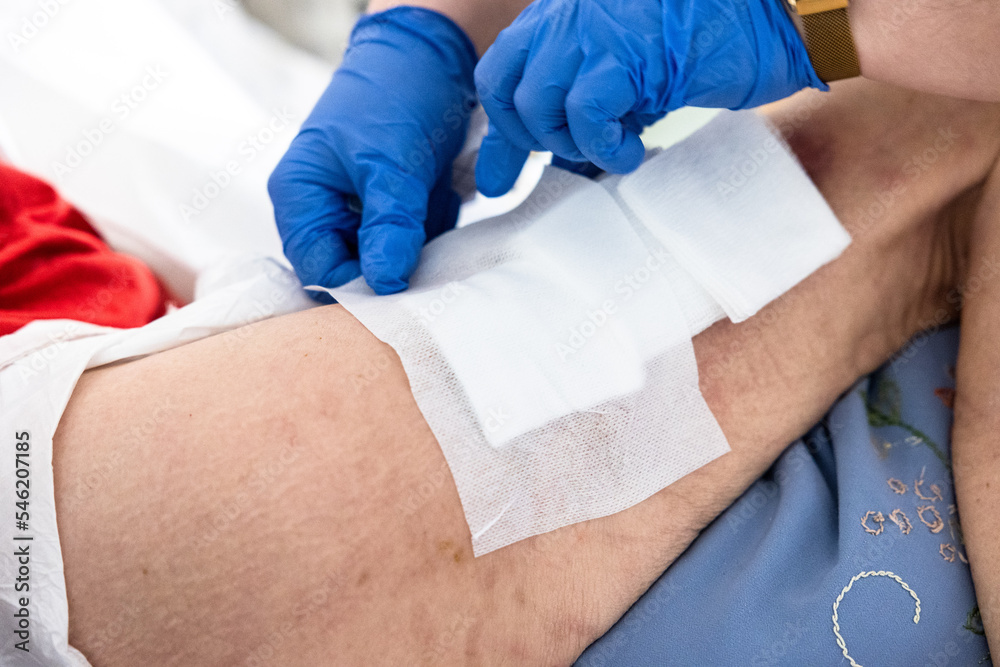
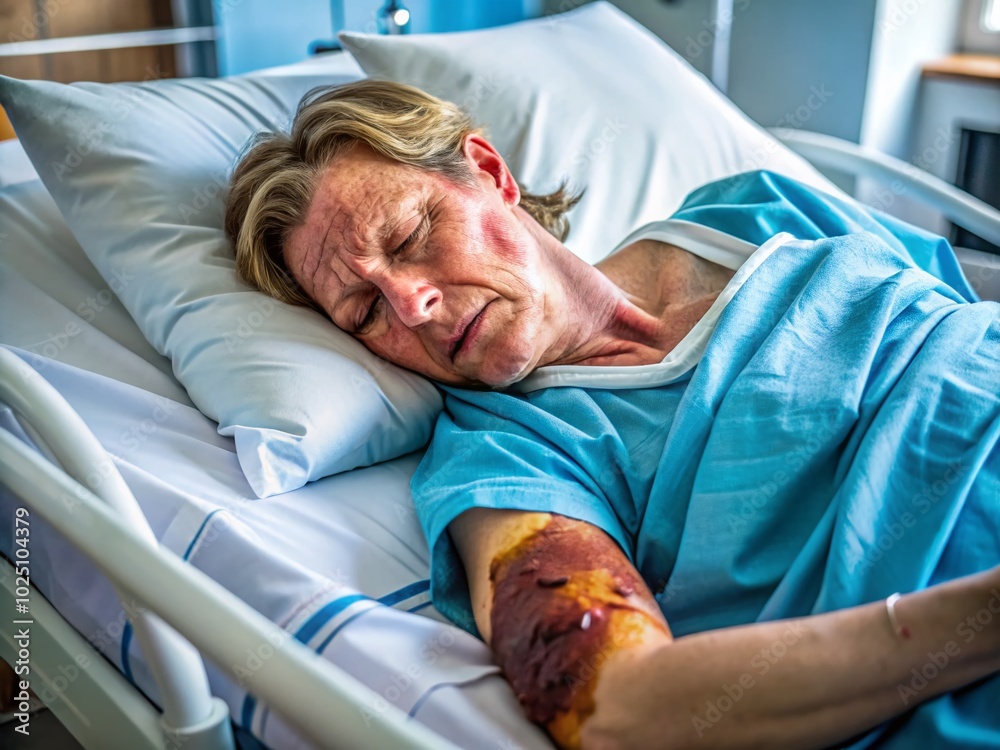
Bedsore care management is one of the most important aspects of elderly care and long-term patient care. Bedsores, also known as pressure ulcers or decubitus ulcers, develop when continuous pressure reduces blood flow to the skin. They mostly occur in bedridden, immobile, or elderly patients, especially at the heels, hips, back, and elbows.
Providing the right prevention methods and timely care can significantly improve healing and prevent complications such as infections or tissue damage.
⭐ What Are Bedsores?
Bedsores occur when the skin and underlying tissues are damaged due to prolonged pressure, friction, or shear. They are most commonly seen in:
- Elderly individuals
- Patients with mobility challenges
- Patients with chronic illnesses
- Individuals recovering from surgeries
Understanding the early signs helps with faster recovery.
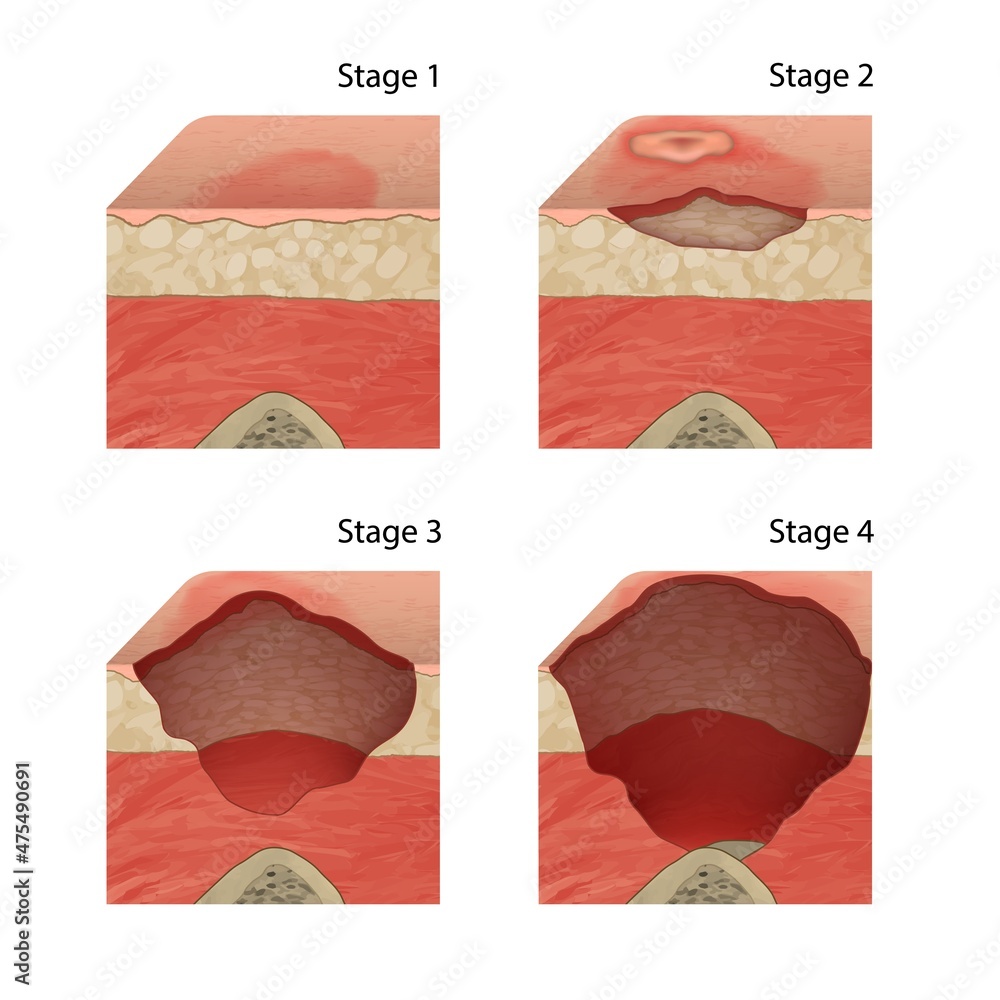
⭐ Stages of Bedsores
Understanding the stages helps caregivers choose the right treatment.
1. Stage 1 – Reddened Skin
- Skin becomes warm, red, and painful.
- No open wound yet.
2. Stage 2 – Blistering
- Skin breaks open or forms a blister.
- Mild infection risk increases.
3. Stage 3 – Deep Wound
- Fat layer is visible.
- Increased risk of infection.
4. Stage 4 – Severe Ulcer
Requires medical supervision.
Muscle, tendon, or bone may be visible.
⭐ Best Practices for Bedsore Prevention
Prevention is the most effective form of bedsore care management. Consistent care reduces complications drastically.
1. Repositioning the Patient
Change the patient’s position every 2 hours to relieve pressure on affected areas.
2. Use Pressure-Relief Devices
Such as:
- Air mattresses
- Water beds
- Gel cushions
- Foam pads
These help distribute body weight evenly.
3. Maintain Skin Hygiene
- Keep the skin clean and dry.
- Use mild cleansers.
- Moisturize regularly to prevent dryness.
4. Keep the Patient Hydrated
Dehydration weakens the skin and slows healing.
5. Healthy Diet to Support Healing
Include:
- Protein-rich foods
- Vitamin C & E
- Zinc-rich foods
- Hydration therapy

⭐ Bedsore Treatment Methods
Once a bedsore develops, early treatment prevents infection and speeds recovery.
1. Cleaning the Wound
- Use saline water to clean gently.
- Avoid harsh chemicals unless prescribed.
2. Dressing the Wound
Choose appropriate dressings:
- Hydrocolloid dressings
- Alginate dressings
- Foam dressings
- Antimicrobial dressings
These promote healing while protecting from bacteria.
3. Removing Dead Tissue (Debridement)
Dead tissue prevents healing and must be removed by a trained nurse or doctor.
Methods include:
- Mechanical
- Autolytic
- Enzymatic
- Surgical
4. Using Medications
Doctors may prescribe:
- Topical antiseptic creams
- Antibiotic ointments
- Pain management medications
5. Advanced Bedsore Treatments
Once a bedsore develops, early treatment prevents infection and speeds recovery.

How Caregivers Can Manage Bedsore Care Effectively
Caregivers, nursing staff, and family members play a crucial role in preventing and healing bedsore wounds.
1. Regular Monitoring
Check pressure points daily to identify early signs.
2. Supportive Bedding
Use high-quality hospital beds and mattresses designed for elderly care.
3. Proper Hygiene Practices
- Change diapers immediately if wet.
- Keep the bed sheets clean and wrinkle-free.
4. Elevation Technique
Raise the bed at 30 degrees to prevent friction and shear.
5. Maintain Emotional Support
Bedsore care is physically and mentally challenging for patients.
Gentle communication and reassurance improve recovery.

⭐ When to Seek Medical Help
Call a doctor immediately if you observe:
- Fever
- Pus or foul smell
- Worsening redness
- Increased pain
- Black tissue
These indicate a high risk of infection and require professional medical treatment.
⭐ Conclusion
Bedsore care management requires consistent care, awareness, and timely treatment. With proper prevention techniques, good hygiene, healthy nutrition, and regular nursing care, bedsores can be avoided or healed faster.
For caregivers and families, understanding the right wound care methods can significantly improve the patient’s comfort and overall health.